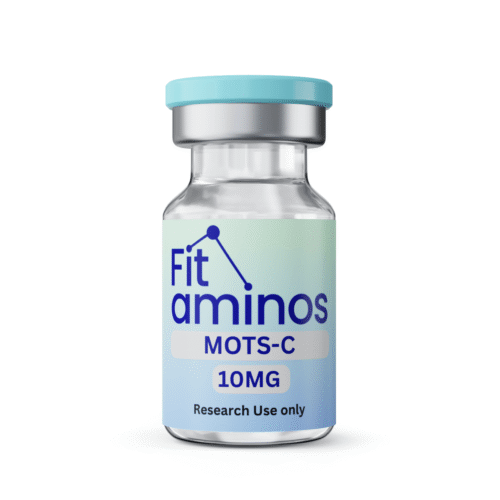
This guide is coming to you from FitAminos.com – we’re a company that specializes in supplying lab-grade research peptides & amino acids. Our catalog includes things like BPC-157, CJC-1295, GLP-1 analogues, NAD+, and other biochemicals that are useful for laboratory research.
Important Disclaimer: Everything we talk about in this guide is for in-the-lab, in-vitro use only. These compounds are not for human or animal consumption. Research peptides have not been approved by the FDA for using to treat, cure or prevent any diseases.
This comprehensive guide will cover:
- What peptides are and how they differ from proteins
- Common research applications in laboratory settings
- Peptide handling, storage, and quality considerations
- Step-by-step instructions for reconstituting lyophilized peptides
- Methods for calculating research dosages for experiments
All examples provided—including dosage calculations and reconstitution procedures—are hypothetical and intended purely for educational guidance on laboratory technique and calculation methods.

Peptide Basics: Definition, Structure, and Types
Peptides are short chains of amino acids connected by covalent peptide bonds, typically containing between 2 and 50 residues, though some definitions extend this range up to approximately 100 amino acids. Peptides can be as short as four amino acids, and this short length contributes to their unique biological functions. Once amino acid chains exceed this threshold, they’re generally classified as polypeptides or full proteins. This size distinction is chemically arbitrary but functionally significant—peptides exhibit different structural complexity and biological behavior compared to their larger counterparts.
Key Structural Features
Understanding peptide architecture requires familiarity with several core concepts:
- Amino (N-terminal) end: The free amino group (-NH₂) at one end of the peptide chain
- Carboxyl (C-terminal) end: The free carboxyl group (-COOH) at the opposite end
- Linear peptides: Standard chains extending from N- to C-terminus
- Cyclic peptides: Structures where the C-terminal bonds back to the N-terminal, creating a ring
Amino Acid Properties and Peptide Characteristics
The specific sequence and side-chains (R groups) of amino acids line up determines the key properties of a peptide, like how it distributes its charge, how well it dissolves, how stable it is – and what receptors it binds to. Out of the 20 amino acids you typically find in living things, each one has its own unique chemical personality – some are hydrophobic, like leucine, while others are positively or negatively charged, like glutamate, and coenzymes such as NAD+ involved in cellular energy metabolism tightly integrate with these pathways.
Researchers also work with non-proteinogenic amino acids such as norleucine (Nle), which can be engineered into synthetic peptide sequences for specific research purposes. These additional amino acids expand the toolkit available for designing new research peptides.
Stereochemistry: L-Amino Acids vs. D-Amino Acids
Naturally occurring peptides and proteins contain predominantly L – form amino acids in their structure. However, synthetic research peptides can incorporate D- form amino acids—the mirror-image enantiomers—which seems to make them a lot more resistant to those proteases that break down proteins. This stereochemical substitution proves particularly valuable in research settings where extended stability without enzymatic breakdown is desired for in-vitro experiments.
Examples of Peptides in Nature and Research
Naturally Occurring Peptides:
- Insulin: A peptide hormone consisting of two chains (30 and 21 amino acids) linked by disulfide bridges
- Oxytocin: A neuropeptide involved in social bonding mechanisms
- Glucagon: A metabolic hormone regulating glucose levels
- Antimicrobial peptides: Host defense molecules like defensins and cathelicidins
- Gonadotropin releasing hormone (GnRH): A key peptide hormone that triggers the production of reproductive hormones such as luteinizing hormone (LH) and follicle-stimulating hormone (FSH)
Popular peptides like collagen peptides and creatine peptides are widely used in research and supplements for skin health, anti-aging, and muscle building.
Other peptides, such as follistatin, have diverse applications in research and performance enhancement.
Synthetic Research Peptides:
- BPC-157: A 15-amino-acid synthetic peptide studied in tissue repair models
- CJC-1295: A GHRH analogue incorporating D-amino acids for enhanced stability
- GHK-Cu (copper peptide): A tripeptide-copper complex used in collagen expression studies
How Peptides Function in Biology and Research
Peptides are some of the most important signaling molecules, hormones, neurotransmitters and enzyme inhibitors as well as playing a key structural role in most living systems. Peptides may facilitate wound healing, slow aging, promote skin and muscle health, and be used in therapeutic or performance-enhancing settings, though further research is needed to fully understand their efficacy and safety. Peptides regulate essential processes including immune system response, tissue repair, metabolism, hormone production, and muscle growth. They are also involved in many different processes in your body, including how you digest and use energy from the food you eat, how hungry you feel, how your hormones work, and cell movement. Their relatively small size compared to full blown proteins means they can be zapped into existence in no time, precisely target their receptors and get involved in a whole host of different biology that researchers can then go on to study in a nice controlled lab setting.
Protein-Peptide Interactions
A substantial fraction of protein-protein interactions that go on within the cells of your body are actually triggered by short little peptide sequences. This fundamental biological principle makes synthetic peptide compounds powerful tools for probing cellular communication networks. By designing peptides that mimic or inhibit natural sequences, researchers can map signaling pathways, identify novel targets, and understand cellular decision-making at the molecular level.
Research Applications of Peptide-Receptor Interactions
Researchers use synthetic peptides to:
- Model receptor binding specificity through structure-activity relationship (SAR) studies
- Map epitopes (antibody recognition sites) on proteins
- Design enzyme substrates and inhibitors for biochemical assays
- Study cell signaling cascades in isolated systems
While peptide-based drugs already represent a significant portion of the pharmaceutical market, it’s essential to clarify that FitAminos.com supplies only research-use-only compounds—not approved medications or dietary supplements.
Research Applications of Peptides (Non-Clinical)
In modern laboratories, peptides serve as essential tools in cell culture experiments, biochemical assays, and pre-clinical models. These applications maintain strict separation from clinical or therapeutic use, focusing instead on understanding fundamental biological mechanisms through controlled scientific research.
Common Application Areas
Receptor and Signaling Studies:
- GLP-1 analogues for investigating glucose metabolism pathways
- GHRH mimetics and growth hormone secretagogues for growth hormone axis research
- Neuropeptide analogues for studying neural signaling
Tissue Repair Mechanism Research:
- BPC-157 for tissue repair mechanism research in cell migration, angiogenesis, and tendon cell activation assays
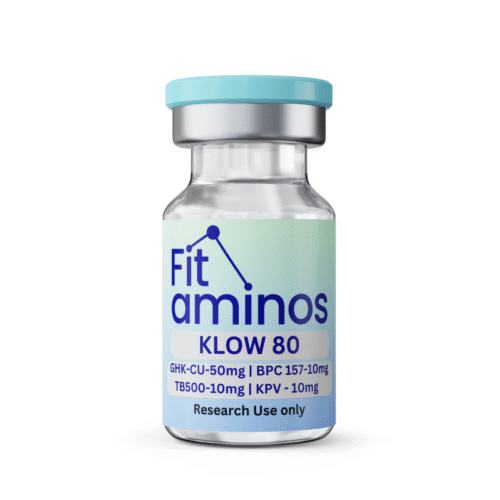
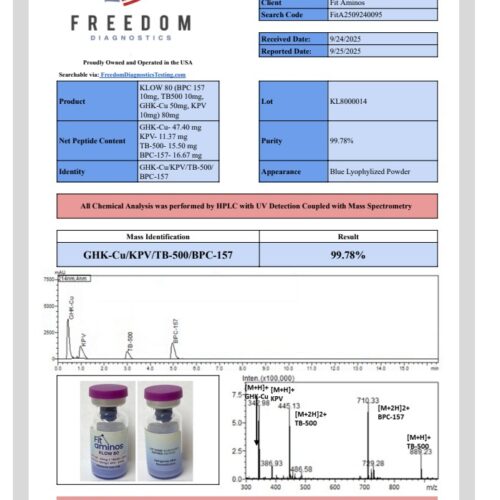
- GHK-Cu within multi-peptide repair blends such as KLOW 80 in fibroblast cultures examining collagen production
- Matrix-derived sequences for understanding tissue regeneration
- Adding peptides to skin care, anti-aging, muscle growth, and medical treatments is common, as peptides are incorporated into products and therapies to improve skin health, promote collagen synthesis, support muscle repair, and enhance overall bodily functions.
Metabolic Pathway Exploration:
Other Common Application Areas:
- Peptides are widely used in skin care products such as creams and serums to improve skin elasticity and reduce wrinkles.
- Collagen peptide supplements support bone health and can help increase bone mineral density.
- Collagen peptides may improve skin health and slow the aging process.
- Collagen supplements are used for joint health, hair growth, and bone strength.
- Certain peptides, such as GHK-Cu, are used in serums for scalp application to promote hair growth.
Specialized Research Applications
- Peptide library screening: Creating combinatorial libraries to identify binding motifs with desired properties
- Epitope mapping: Synthesizing protein-derived sequences to study immune recognition
- Structure-activity relationships: Systematic amino acid substitution to determine critical residues for biological activity
Peptide Quality, Purity, and Regulatory Status
Understanding Purity Standards
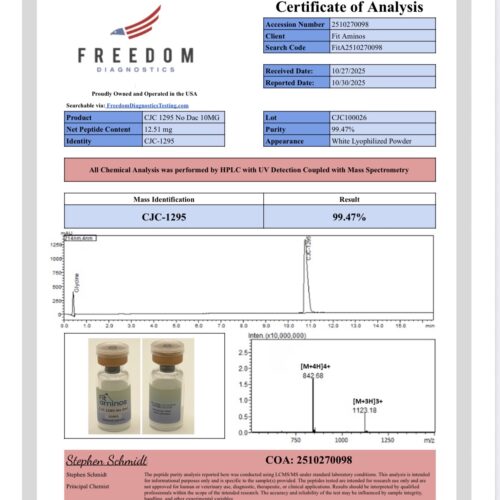
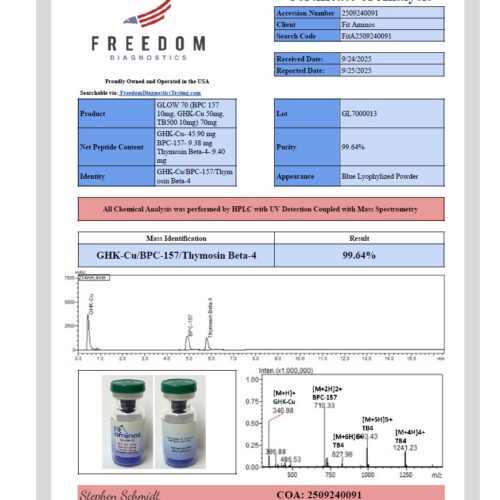
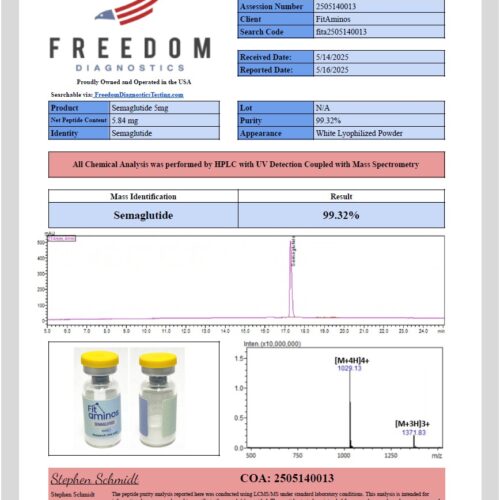
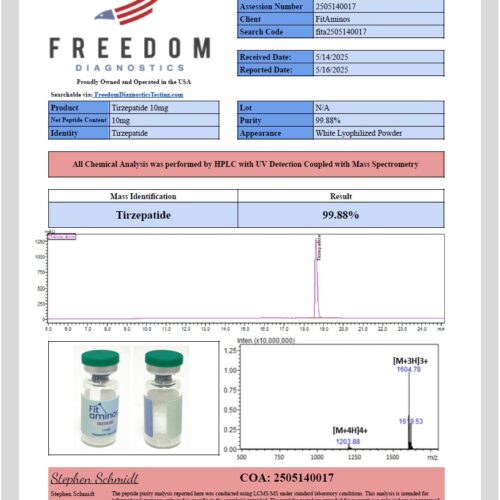
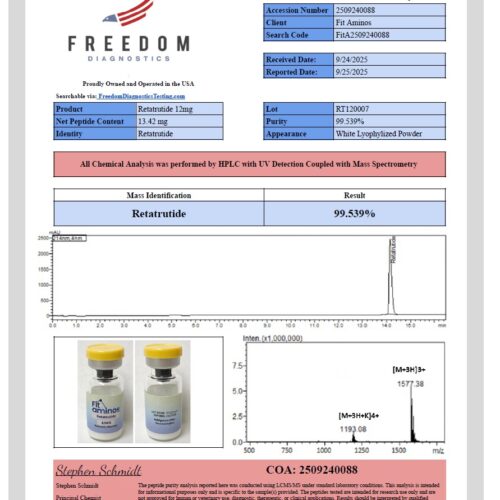
When peptide suppliers specify “99%+ purity,” this typically refers to analysis by high-performance liquid chromatography (HPLC) and mass spectrometry (MS). These analytical techniques separate peptide molecules from impurities based on chemical properties and quantify the proportion of desired peptide relative to other molecular species.
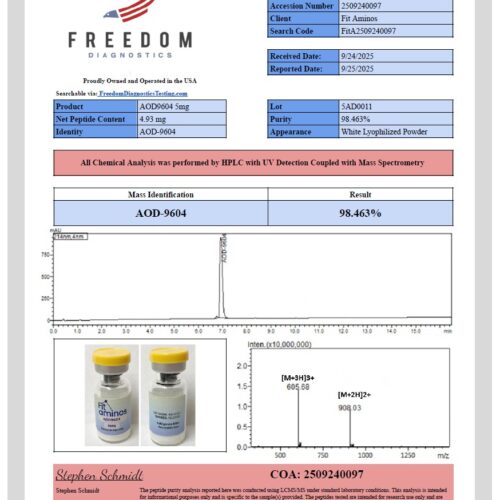
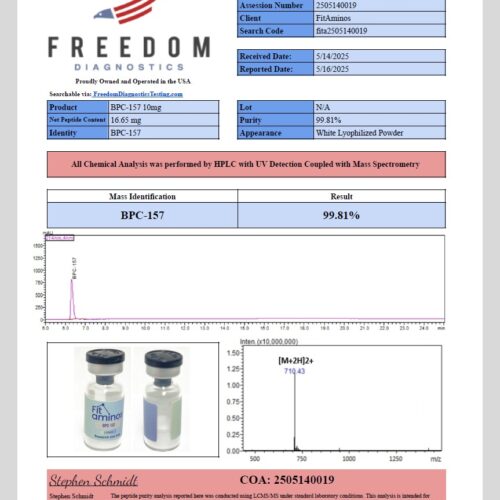
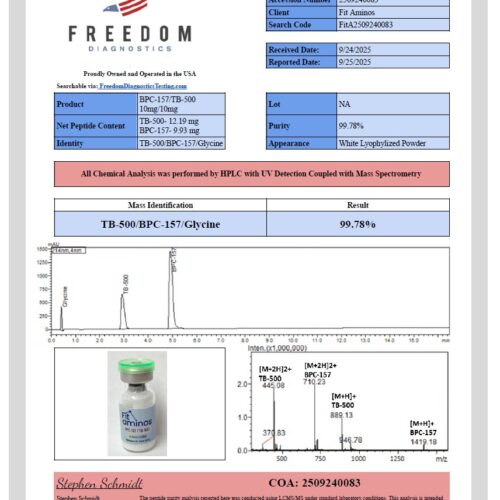
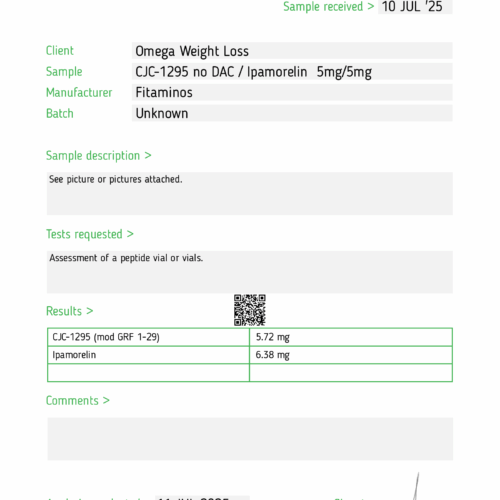
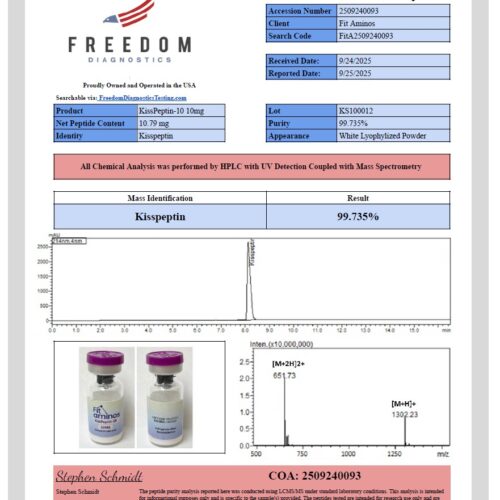
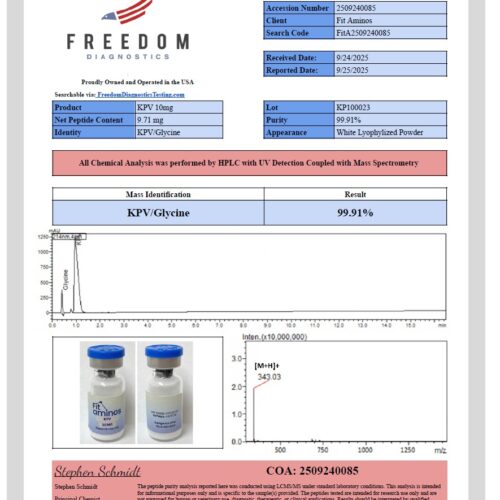
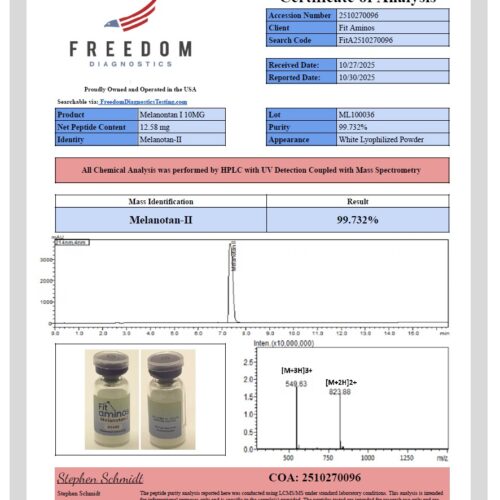
Certificates of Analysis (COAs) accompany each peptide batch and include:
- HPLC chromatograms showing purity profiles
- Mass spectrometry data confirming molecular identity
- Characterization of minor impurities (typically <1% by mass)
- Detection of post-translational modifications if applicable
FitAminos.com Quality Standards
FitAminos’ research-grade peptide catalog maintains rigorous quality protocols including:
- Third-party laboratory testing for independent verification
- Batch-specific COAs available for every product
- Consistent manufacturing standards for reproducible research
- Detailed product specifications for informed purchasing decisions
Regulatory Status
Peptides supplied by FitAminos.com are designated strictly “for laboratory research use only.” These compounds:
- Have not been evaluated or approved by the FDA
- Are not intended for diagnosing, treating, curing, or preventing any disease
- Must not be used for human or animal consumption
- Are not peptide supplements, peptide injections, or therapeutic agents
Researchers bear responsibility for institutional compliance, including IRB/IACUC approvals where applicable, proper chemical handling procedures, and adherence to all local, state, and federal regulations governing research chemicals.
Handling and Storage of Lyophilized Peptides
Lyophilized (freeze-dried) peptide powder offers significant advantages for shipping and storage, compared to liquid formulations. Removing the water during lyophilization dramatically slows degradation mechanisms (meaning it has a longer shelf life) including hydrolysis, oxidation, and microbial contamination, extending product stability and shelf life.
Proper Handling Procedures
Before opening lyophilized peptide vials:
- Allow vials to reach room temperature to prevent condensation
- Open carefully in a low-moisture environment
- Use sterile tools and liquids when working under aseptic conditions
- Work in a biosafety cabinet or chemical hood to minimize aerosol exposure
Recommended Storage Conditions
| Storage Parameter |
Recommendation |
| Long-term temperature |
−20°C to −80°C |
| Light exposure |
Minimize; use amber vials or light-protected storage |
| Humidity |
Keep dry; store with desiccants if hygroscopic |
| Freeze-thaw cycles |
Minimize by preparing aliquots before storage |
| Container integrity |
Ensure vials remain sealed when not in use |
Solubility Considerations
Different peptides exhibit varying solubility profiles depending on amino acid composition and charge characteristics. Common reconstitution solvents include:
- Sterile water for injection (WFI)
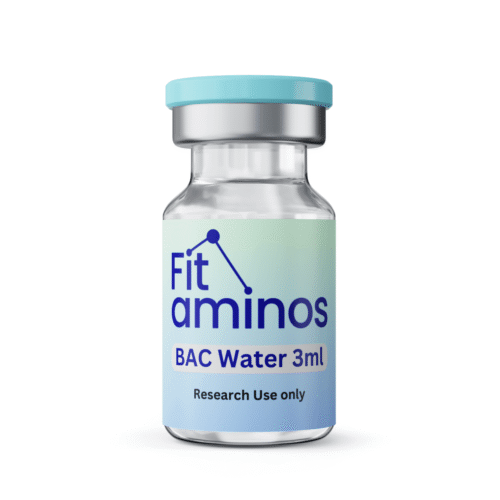
- Bacteriostatic water (contains preservatives like benzyl alcohol)
- Phosphate-buffered saline (PBS) for cell culture applications
- Dilute acid or base for peptides with extreme isoelectric points
- Organic co-solvents (DMSO, ethanol) for hydrophobic sequences
Always check manufacturer guidelines and test dissolution in small volumes before reconstituting entire batches if solubility characteristics are uncertain.
Safety Note: All handling procedures assume trained personnel working in appropriate laboratory settings with proper PPE (gloves, eye protection, lab coat) and suitable engineering controls.
How to Reconstitute Peptides for Laboratory Use
Reconstitution converts lyophilized peptide powder into a usable liquid solution for experiments. Proper technique preserves peptide integrity, ensures accurate concentration, and prevents contamination that could compromise research results.
Step-by-Step Reconstitution Process
Step 1: Pre-Reconstitution Inspection
- Verify vial matches your order (peptide name, lot number, expected mass)
- Inspect powder for discoloration or unusual appearance
- Review the Certificate of Analysis for identity confirmation and purity data
Step 2: Choose Appropriate Solvent Select reconstitution solvent based on peptide properties and intended application:
- Bacteriostatic water for preparations stored over multiple days
- PBS or physiological buffers for cell culture work
- Specialized solvents per manufacturer guidance for poorly soluble peptides
Step 3: Calculate Target Stock Concentration Determine your desired stock concentration (commonly 1 mg/mL or 2 mg/mL) and calculate required solvent volume:
Volume (mL) = Mass of peptide (mg) ÷ Desired concentration (mg/mL)
For example, to prepare a 1 mg/mL stock from a 5 mg vial:
- Volume = 5 mg ÷ 1 mg/mL = 5 mL solvent
Step 4: Add Solvent Carefully
- Add solvent slowly down the inside wall of the vial
- Do not inject quickly
- This technique minimizes foam formation and mechanical stress
Step 5: Achieve Complete Dissolution
- Gently swirl or roll the vial—never shake vigorously
- Allow several minutes for complete dissolution
- For stubborn peptides, place in a 25–37°C water bath if peptide is heat-stable
- Avoid extreme pH unless specifically required and validated
Critical Reminder: These reconstitution procedures are for in-vitro and ex-vivo experimental setups only. They do not constitute directions for injection or human administration of any kind.

Peptide Dosage Calculations for Experiments
In research contexts, “dosage” refers to the concentration of peptide applied to cell cultures, tissue samples, or assay systems—not clinical dosing for humans or animals. Understanding these calculations is fundamental for designing reproducible experiments.
Basic Mass-Concentration Relationship
The fundamental formula relating mass, volume, and concentration:
Concentration (mg/mL) = Mass (mg) ÷ Volume (mL)
This relationship allows researchers to determine what volume of solvent creates a desired concentration from a known peptide mass.
Example: Complete Calculation
Consider a 10 mg vial of a synthetic peptide
Creating Stock Solution:
- Target: 5 mg/mL stock
- Volume needed: 10 mg ÷ 2 mg/mL = 2 mL
- Add 2 mL bacteriostatic water to create 5 mg/mL stock
Calculating Dose
Using the concentration from the previous example.
If the desired dose is 500mcg, you would pull 10 units or .1ml from the vial.
Explicit Disclaimer: All numerical examples are strictly illustrative for laboratory calculation training and in-vitro experiment planning. These are not recommended doses for any species or any form of administration.
Why Researchers Choose FitAminos.com
FitAminos.com serves as a specialized supplier of research-grade peptides, amino acids, and related biochemical tools for serious laboratory work. Our focus remains on providing quality reagents that support reproducible scientific research across academic and independent research settings.
When taking peptide supplements for research purposes, it is important to consider both the purported benefits and the need for further research to confirm their efficacy and safety. Research suggests that certain peptides may help boost muscle growth, increase muscle mass and strength, promote fat loss, and support exercise performance and recovery, especially when combined with resistance exercise training. Some peptides may provide anti-inflammatory, pro-aging support, or muscle-building properties, and can stimulate collagen and elastin production—essential for wound healing, skin elasticity, and reducing inflammation in muscles and tendons. Peptides also promote protein synthesis, aiding in muscle repair and preventing muscle loss, and may help prevent age-related bone loss.
Certain peptides, such as collagen and copper peptides, have been shown to improve skin moisture, elasticity, and thickness, contributing to healthy skin and overall skin health. They may help restore the skin barrier, ease swelling and redness in people with psoriasis or eczema, and facilitate faster wound healing due to their role in collagen production. Some peptides possess antimicrobial properties, fighting infections by destroying bacteria, viruses, and fungi. Peptides may also influence blood pressure and blood clots, making it important to monitor these effects in research settings. Additionally, certain peptides can affect testosterone levels by stimulating hormone release, and may alter the body’s sensitivity to hormones like insulin, impacting metabolic functions.
It is important to note the distinction between peptides and steroids; some peptide supplements are marketed as safer alternatives to steroids, but their long-term effects and safety profiles require further research. While the potential benefits of peptides for muscle gain, fat loss, anti-aging, and skin health are promising, more scientific studies are needed to fully understand their effects and ensure safe use in research applications.
Key Differentiators
- 99%+ purity: Verified through rigorous HPLC and mass spectrometry analysis
- Third-party testing: Independent laboratory verification for added credibility
- Detailed COAs: Batch-specific documentation for every product
- Rapid U.S. shipping: Typically 3–5 business days
- Competitive pricing: Research-grade quality at accessible price points
Product Range
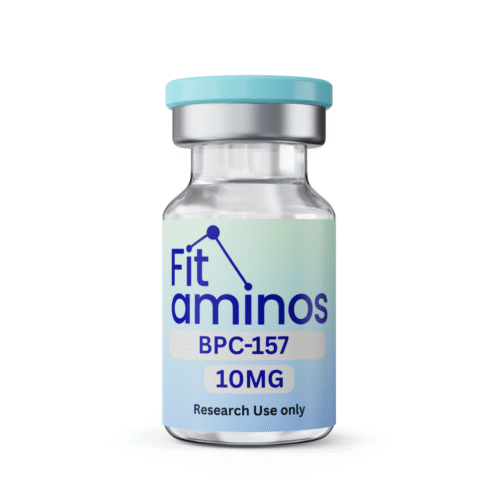
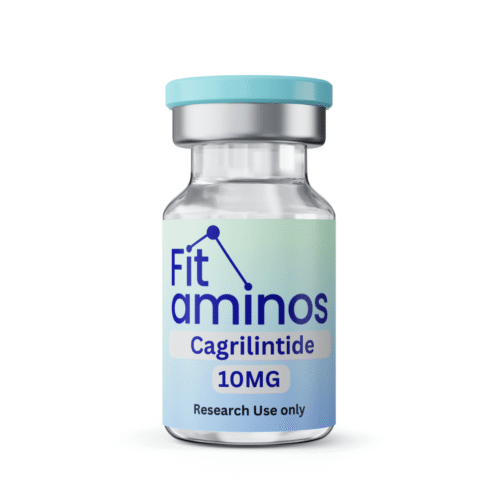
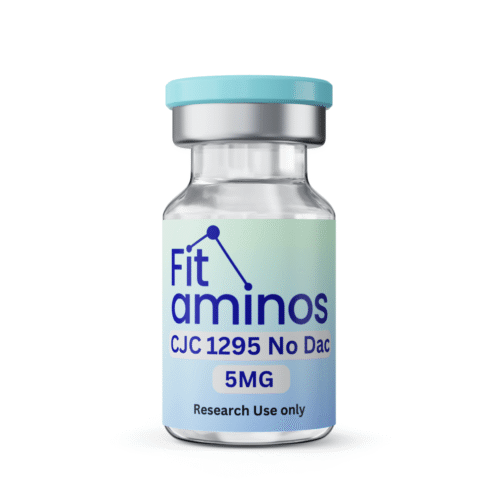
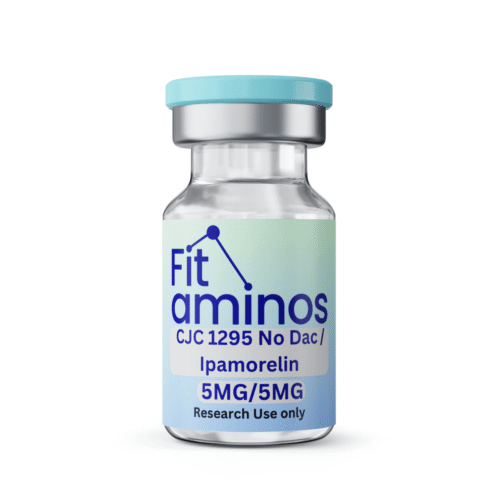
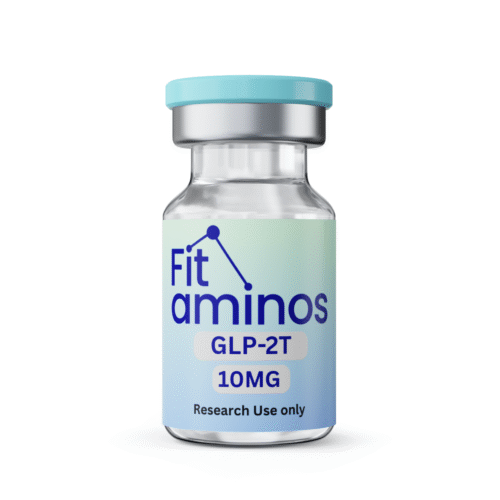
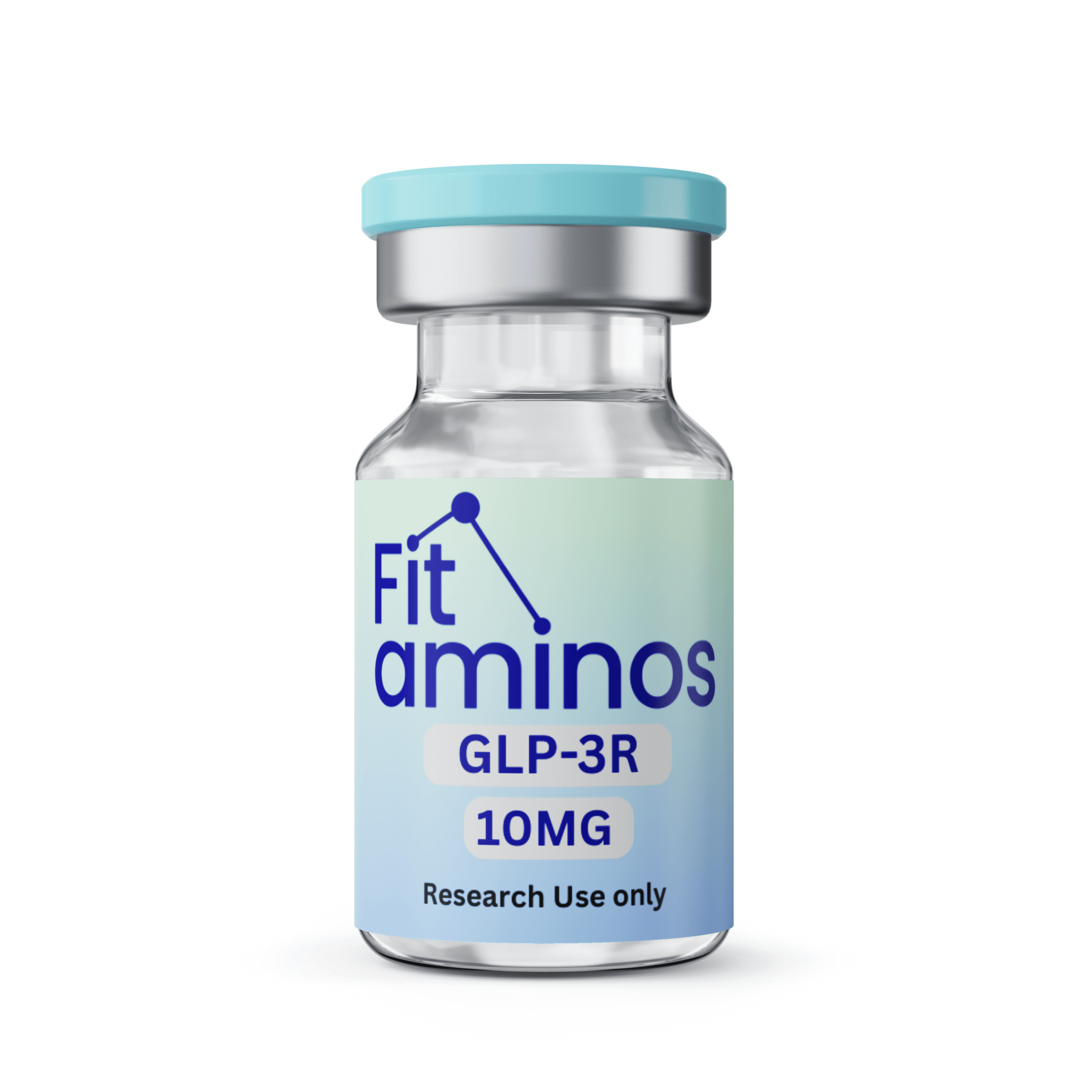
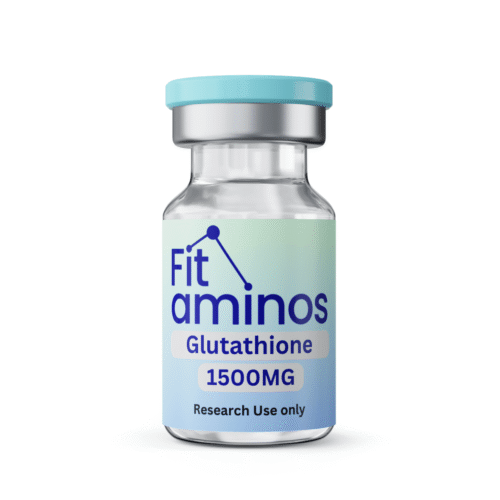
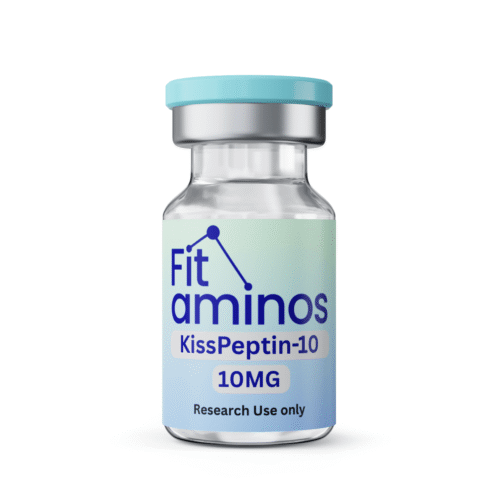
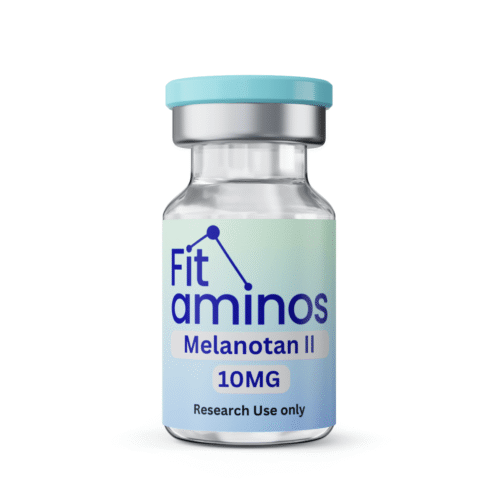
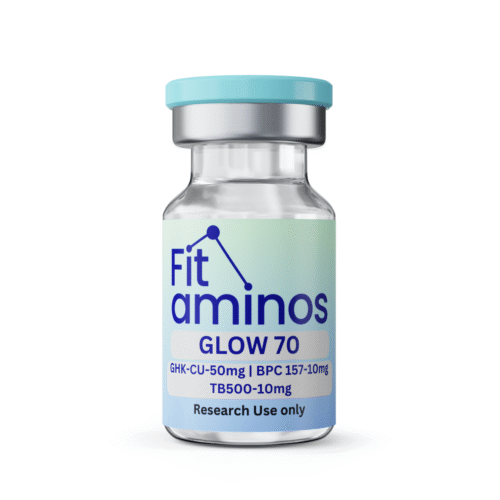
Our catalog, highlighted on the FitAminos home page feature our most popular research peptides, includes compounds discussed throughout this guide:
We also supply amino acids and related building blocks for researchers conducting solid phase peptide synthesis or studying peptide chains and peptides and proteins in biochemical contexts.
Who We Serve
FitAminos.com serves both institutional laboratories and qualified independent researchers who can:
- Safely handle research chemicals
- Comply with all applicable regulations
- Maintain proper documentation and institutional approvals
- Use compounds strictly for laboratory research purposes
Getting Started
Before ordering, we encourage researchers to:
- Review product specifications and intended applications
- Examine Certificates of Analysis for purity and identity confirmation
- Consult published scientific literature for experimental design
- Ensure compliance with institutional and regulatory requirements
- Plan proper storage and handling procedures
Understanding what peptides are—from their fundamental structure to proper laboratory handling—equips researchers to design rigorous experiments with confidence. Whether you’re investigating receptor binding mechanisms, exploring tissue repair pathways, or conducting structure-activity relationship studies, quality reagents and sound technique form the foundation of reproducible research.
For researchers seeking high-purity, third-party verified peptides backed by comprehensive documentation, FitAminos.com provides the materials and transparency that serious scientific work demands.