
NAD+
What Is NAD+ and Why Does It Matter?
Nicotinamide adenine dinucleotide, commonly known as NAD+, is a vital coenzyme found in every living cell in the human body. This article is intended for adults interested in health, aging, and cellular metabolism, and explains why NAD+ is important for overall well-being. It plays a central role in maintaining cellular health by supporting essential biological processes that keep our cells functioning properly.
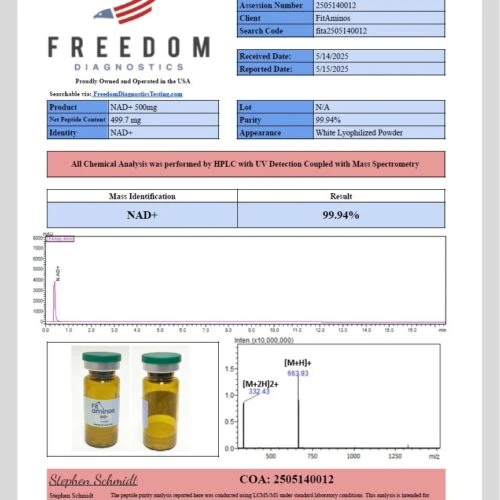
Analytical terms used on this page are defined in the COA and testing glossary.
-
- Sale!
- NAD+, Research Peptides
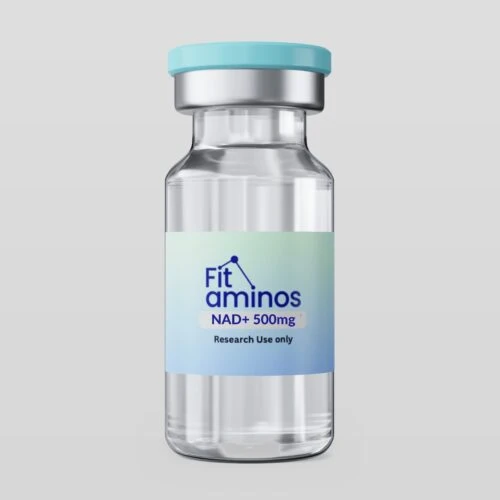
NAD+
- $119.99 – $229.99Price range: $119.99 through $229.99
- Select options This product has multiple variants. The options may be chosen on the product page
How NAD+ Works in the Body
NAD+ acts as a key player in cellular metabolism, primarily by facilitating energy production. It functions as an electron carrier in critical metabolic pathways such as glycolysis, the tricarboxylic acid (TCA) cycle, and oxidative phosphorylation. Through these pathways, NAD+ helps convert the food we eat into usable cellular energy in the form of adenosine triphosphate (ATP), which powers nearly all cell functions.
NAD+ is derived from vitamin B3 and can be synthesized through several biosynthetic pathways. NAD levels can be maintained from precursors like vitamin B3 or the amino acid tryptophan, and through recycling used NAD.
Beyond energy production, NAD+ is essential for DNA repair and maintaining genomic stability. It serves as a substrate for enzymes like sirtuins and poly(ADP-ribose) polymerases (PARPs), which regulate gene expression, promote protein deacetylation, and facilitate the repair of damaged DNA. NAD+ also plays a role in cell signaling, including calcium signaling, which is important for various cellular responses.
The Biological Importance of NAD+
NAD exists in two forms: NAD+ (oxidized) and NADH (reduced), and plays a crucial role in energy production and metabolic processes. This redox couple is fundamental to many biochemical reactions, particularly redox reactions that are crucial for cellular energy generation. NAD+ accepts electrons during metabolic reactions, becoming NADH, which then donates electrons to the mitochondrial electron transport chain to generate ATP through oxidative phosphorylation.
Enzymes involved in NAD+ metabolism, such as nicotinamide phosphoribosyltransferase (NAMPT) and nicotinic acid phosphoribosyltransferase (NAPRT), help maintain NAD+ levels by recycling its building blocks. Additionally, NAD+ is synthesized through three major pathways: the salvage pathway, the Preiss–Handler pathway, and de novo synthesis from the essential amino acid tryptophan. Intermediates such as nicotinic acid mononucleotide and nicotinic acid adenine dinucleotide play key roles in the Preiss–Handler pathway, acting as important metabolites in the conversion of precursors to NAD+. Functional analysis of these pathways helps elucidate how different precursors and intermediates contribute to NAD+ metabolism and overall cellular function. These pathways ensure a steady supply of NAD+ to meet cellular demands.
NAD+ and Aging
As we age, NAD+ levels naturally decline in tissues and cells, which correlates with decreased mitochondrial function, impaired DNA repair, and increased oxidative stress. This decline contributes to symptoms commonly associated with aging, such as chronic fatigue, muscle weakness, metabolic dysfunction, and cognitive decline. The reduction in NAD+ also affects the activity of protein deacetylases like sirtuins, which are involved in regulating cellular health and longevity.
Research in animal models has demonstrated that restoring NAD+ levels can improve mitochondrial function, enhance insulin sensitivity, and promote healthier metabolic activities. These findings suggest that maintaining NAD+ homeostasis is essential for healthy aging and may help prevent or mitigate chronic diseases linked to aging.
NAD+ Precursors and Supplementation
To counteract the age-related decline in NAD+ levels, scientists have explored supplementation with NAD+ precursors. The three main precursors are nicotinamide riboside (NR), nicotinamide mononucleotide (NMN), and nicotinic acid (NA), all derivatives of vitamin B3. Nicotinamide riboside (NR) and nicotinamide mononucleotide (NMN) are the most studied NAD+ precursors. These precursors enter the NAD+ biosynthesis pathways and help replenish NAD+ levels in cells.
Clinical studies in healthy adults have shown that chronic administration of NR and NMN can significantly increase baseline whole-blood NAD+ concentrations, approximately doubling NAD+ levels compared to placebo. NAD+ precursors like NR and NMN can increase NAD+ levels by 40-90% in the short term with minimal side effects. Both NR and NMN are well tolerated with minimal side effects reported in studies. A head-to-head comparison of NR and NMN’s effects on NAD+ levels in humans is lacking, despite both being effective precursors. These supplements have demonstrated potential benefits, including improved metabolic health, increased energy levels, enhanced insulin sensitivity, and support for cellular repair mechanisms.
However, the oral bioavailability of NR and NMN is relatively poor, and recent research suggests that their effects on NAD+ levels may be mediated partly through microbial conversion to nicotinic acid in the gut. This conversion highlights the important role of the gut microbiome in modulating NAD+ metabolism and its systemic effects. The gut microbiota can metabolize NAD+ precursors into extracellular NAD+, which can then be absorbed and contribute to cellular NAD+ replenishment.
Maintaining Healthy NAD Levels
Maintaining healthy NAD levels is fundamental for supporting cellular health, metabolic health, and overall well-being. Nicotinamide adenine dinucleotide (NAD) exists in all living cells and serves a central role in essential metabolic reactions, including the generation of ATP—the primary energy source that powers cell function. For healthy adults, lifestyle factors such as a balanced diet, regular physical activity, and adequate sleep are key to sustaining optimal NAD levels and promoting healthy aging.
However, NAD levels can decline due to aging, chronic diseases, and certain metabolic disorders. This reduction may contribute to symptoms like fatigue, decreased mental clarity, and impaired energy production. Research indicates that supplementing with NAD precursors—such as nicotinamide riboside (NR), nicotinamide mononucleotide (NMN), and nicotinic acid—can help restore NAD concentrations in cells. These interventions have shown potential benefits in animal models and early human studies, including improved insulin sensitivity, enhanced metabolic health, and support for cellular metabolism.
Despite these promising findings, the current evidence is still evolving. While NAD supplementation may offer benefits for energy levels, metabolic reactions, and healthy aging, it is important to recognize that high doses of certain supplements, like nicotinic acid or nicotinamide, can cause side effects such as stomach discomfort. Additionally, the long-term safety and upper limit of NAD supplementation remain under investigation, especially given concerns about the potential for increased cancer cell growth in some contexts.
Individuals considering NAD supplements should consult with a healthcare professional, particularly if they have a history of chronic diseases, are taking other drugs, or have concerns about cancer risk. As research continues, further studies are needed to clarify the optimal dosage, duration, and safety of NAD supplementation for human health.
In summary, maintaining healthy NAD levels is essential for cellular energy, metabolic health, and overall well-being. While lifestyle choices play a significant role, supplementation may offer additional support—though it should be approached with caution and guided by the latest scientific evidence.
Potential Benefits of NAD+ Supplementation
NAD+ supplements, including high‑dose NAD+ 500 mg formulations, are believed to offer several potential benefits that mirror some effects of exercise or calorie restriction. These include:
- Energy Boost: By increasing NAD+ levels, supplementation may enhance the body’s ability to generate ATP, leading to increased energy and reduced fatigue.
- Metabolic Health: NAD+ supports metabolic pathways involved in fatty acid oxidation and glucose metabolism, potentially improving insulin sensitivity and reducing the risk of metabolic disorders.
- Cognitive Function: NAD+ is vital for brain function, and supplementation may support mental clarity, focus, and neuroprotection.
- Cardiovascular Health: Animal studies suggest NAD+ precursors can improve cardiovascular function and reduce age-related vascular decline.
- DNA Repair and Cellular Maintenance: By enhancing the activity of enzymes involved in DNA repair, NAD+ supplementation may help maintain genomic stability and cellular health.
- Anti-Aging Effects: Through activation of sirtuins and other pathways, NAD+ may contribute to healthy aging and longevity.
NAD+ supplementation is also being explored as a treatment for addiction recovery. Clinical research has investigated the use of NAD+ injections and high dose supplementation to help reduce withdrawal symptoms and cravings, supporting individuals during detoxification and promoting sustained sobriety. These interventions aim to alleviate withdrawal symptoms and may play a role in comprehensive addiction treatment strategies.
Despite these promising effects, current evidence in humans is still preliminary, and further studies are needed to confirm the long-term benefits and safety of NAD+ supplementation.
Safety and Regulatory Considerations
While NAD+ supplements are generally well tolerated with minimal side effects such as nausea, headache, or flushing reported in some studies, experts urge caution regarding long-term use. More than 70 published studies suggest that NAD+ supplements are generally well-tolerated, with typical side effects including nausea, fatigue, headache, or flushing. NAD+ is involved in numerous cellular processes, and chronically altering its levels could have unintended consequences.
One area of concern is the relationship between NAD+ and cancer. Cancer cells have high energy demands and may exploit elevated NAD+ levels to support rapid growth. Some animal studies have raised concerns about high doses of nicotinamide riboside increasing the risk of aggressive cancers, although no direct evidence in humans currently exists.
Regulatory status of NAD+ supplements remains uncertain. For example, the U.S. Food and Drug Administration (FDA) has ruled that nicotinamide mononucleotide (NMN) cannot be marketed as a dietary supplement because it was previously investigated as a drug. This has led to restrictions on the sale of NMN by major retailers and ongoing legal challenges.
In research and safety evaluation, liquid chromatography is commonly used to analyze NAD+ metabolites and assess supplement safety in biological samples. Consumers should be aware that NAD+ supplements have not been evaluated by the FDA for safety or efficacy in treating any disease. It is important to consult healthcare professionals before starting supplementation, especially for individuals with active cancer or other serious health conditions.
Future Directions and Research
The field of NAD+ research is rapidly evolving, with ongoing clinical trials investigating the effects of NAD+ precursors on various health outcomes, including metabolic disorders, neurodegenerative diseases, and aging-related conditions. Further studies are needed to:
- Understand the long-term safety and efficacy of NAD+ supplementation in diverse populations.
- Elucidate the role of the gut microbiome in NAD+ metabolism and how it influences systemic NAD+ levels.
- Develop improved formulations with better bioavailability and targeted delivery.
- Explore the potential of NAD+ in regenerative medicine and its applications in tissue repair and recovery.
- Investigate the interactions between NAD+ metabolism and other biochemical pathways involved in cellular health.
Future research will benefit from advanced functional analysis and liquid chromatography techniques to better understand NAD+ metabolism, including metabolic pathways, enzymatic activity, and the impact of supplementation on the NAD+ metabolome.
Conclusion
Nicotinamide adenine dinucleotide (NAD+) is a crucial molecule for cellular energy production, DNA repair, and maintaining cellular health. Its decline with age is associated with various symptoms and chronic diseases, making it a promising target for interventions aimed at promoting healthy aging and metabolic health.
Supplementation with NAD+ precursors such as nicotinamide riboside and nicotinamide mononucleotide has shown potential to boost NAD+ levels and improve energy metabolism, insulin sensitivity, and cellular maintenance. However, current evidence is still emerging, and long-term safety concerns, particularly regarding cancer risk, warrant cautious optimism.
As research progresses, NAD+ supplementation may become an important tool in supporting cellular health, combating chronic fatigue, and enhancing overall well-being. Meanwhile, maintaining a healthy lifestyle with balanced nutrition, regular exercise, and adequate rest remains foundational for sustaining NAD+ metabolism and healthy aging.
References
- Bogan, K. L., & Brenner, C. Nicotinic acid, nicotinamide, and nicotinamide riboside: a molecular evaluation of NAD+ precursor vitamins in human nutrition. Annu. Rev. Nutr. 28, 115–130 (2008). https://doi.org/10.1146/annurev.nutr.28.061807.155443
- Katsyuba, E., Romani, M., Hofer, D., & Auwerx, J. NAD+ homeostasis in health and disease. Nat. Metab. 2, 9–31 (2020). https://doi.org/10.1038/s42255-019-0161-5
- Elhassan, Y. S. et al. Nicotinamide riboside augments the aged human skeletal muscle NAD+ metabolome and induces transcriptomic and anti-inflammatory signatures. Cell Rep. 28, 1717–1728 (2019). https://doi.org/10.1016/j.celrep.2019.07.043
- Migaud, M. E., Ziegler, M., & Baur, J. A. Regulation of and challenges in targeting NAD+ metabolism. Nat. Rev. Mol. Cell Biol. 25, 822–840 (2024). https://pmc.ncbi.nlm.nih.gov/articles/PMC12456757/
- Christen, S. et al. The differential impact of three different NAD+ boosters on circulatory NAD and microbial metabolism in humans. Nat Metab 8, 62–73 (2026). https://doi.org/10.1038/s42255-025-01421-8
- Atria Institute. NAD Supplements: What You Should Know. https://atria.org/education/nad-supplements
- Pro Health Memphis. What is an NAD+ injection and who is it good for? https://prohealthmemphis.com/what-is-an-nad-injection-and-who-is-it-good-for
- Cleveland Clinic. What Is NAD & Why Does It Matter for Your Health? https://my.clevelandclinic.org/health/body/nad-nicotinamide-adenine-dinucleotide